
Insights · Arch Unique field notes
Design thinking,
made useful.
Clear answers to the questions clients, operators and developers face before a project becomes expensive to change.
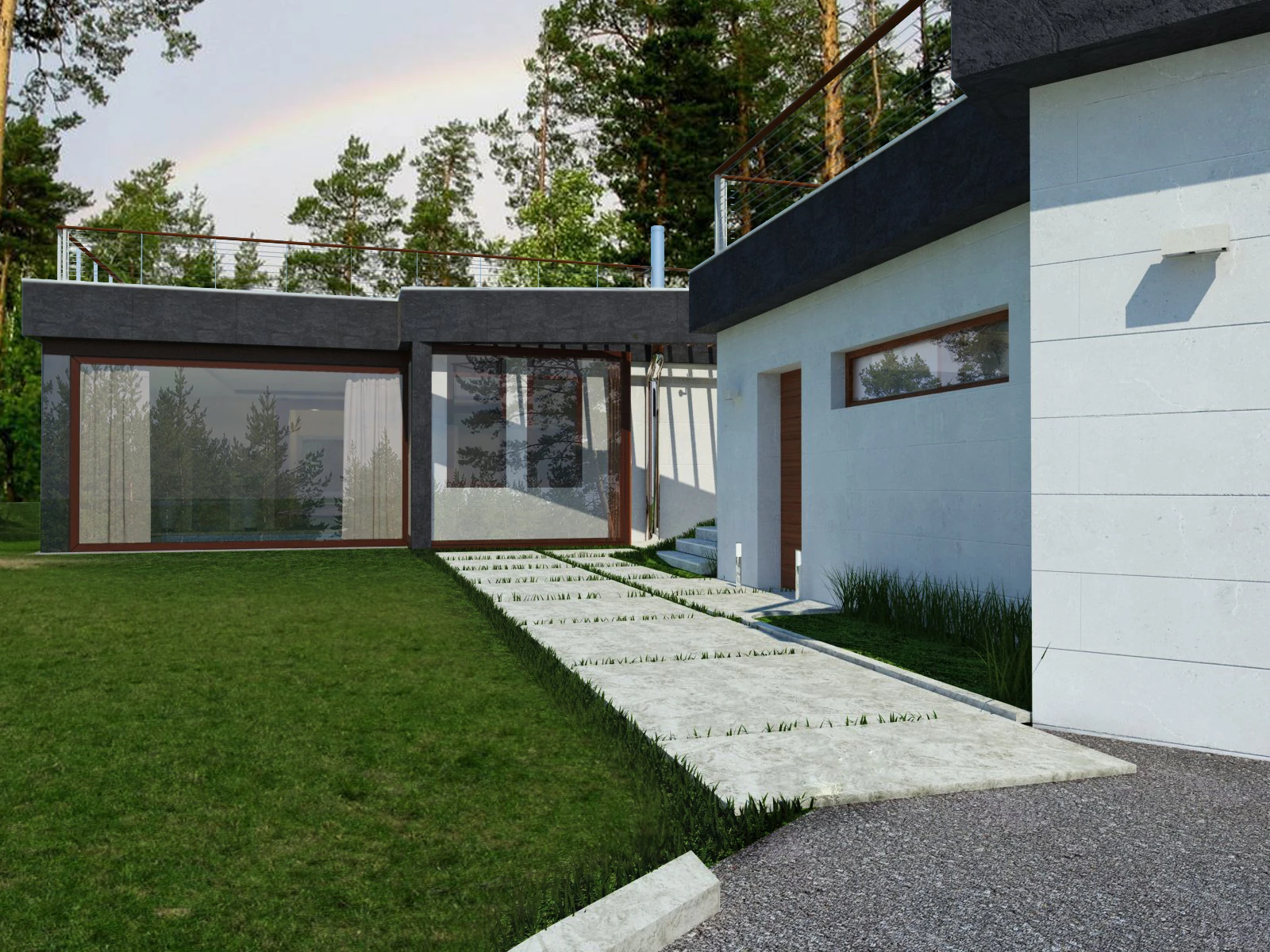
Featured · Tropical architecture · 7 min
Designing a villa for climate, not simply for a view
A tropical home becomes more generous when orientation, shade, airflow and rain are treated as architecture from the first sketch.
Read the field noteThe working library
Questions worth asking early.
Not trend reports. Practical design guidance drawn from architecture, interiors, hospitality and delivery.
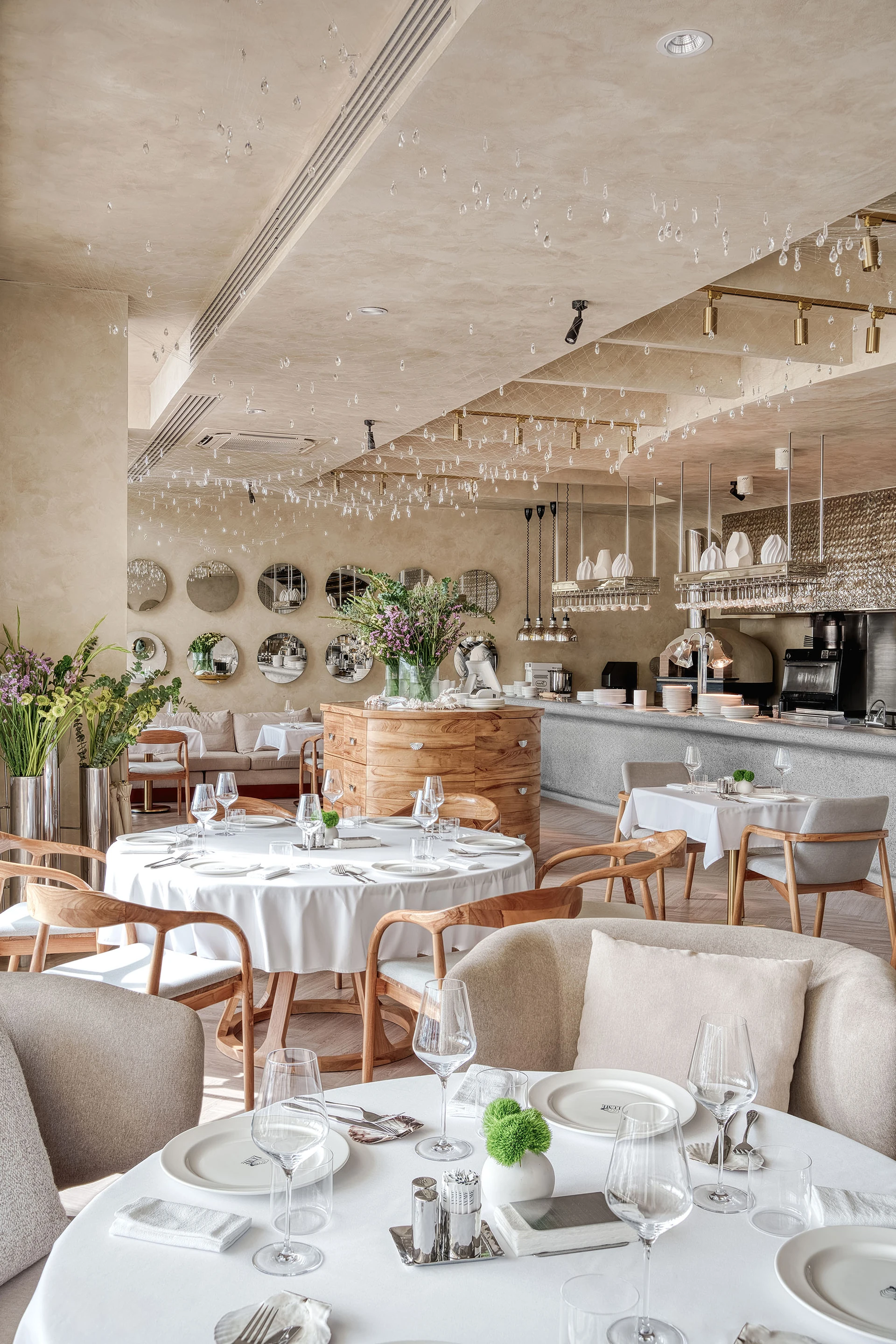
Hospitality design is a guest journey, not a collection of rooms
Restaurants and hotels build memory through sequence: what the guest understands, anticipates and discovers from arrival to departure.
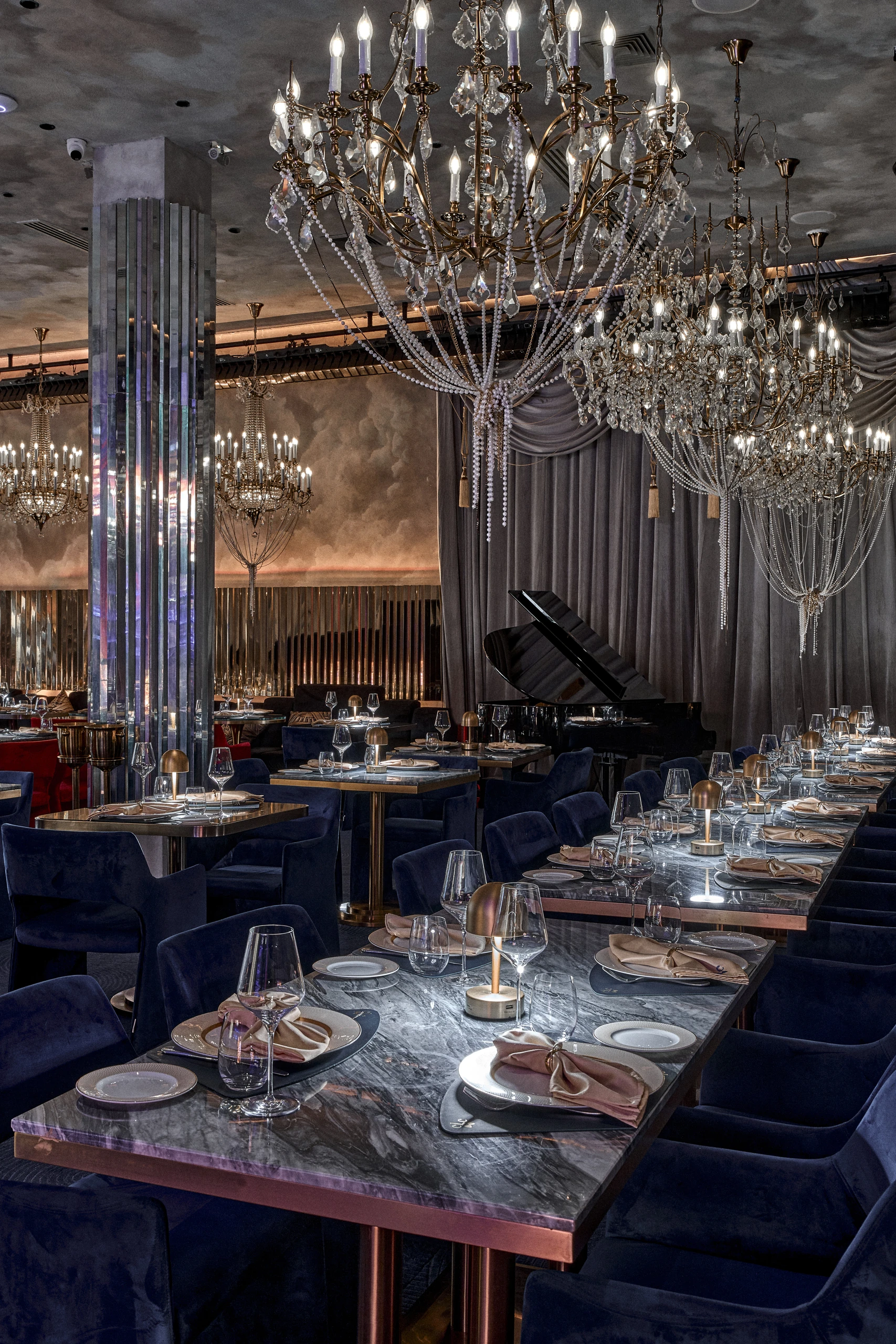
Before the concept: five questions that protect a development
Early architectural guidance can align land potential, product identity, planning efficiency and the realities of delivery.
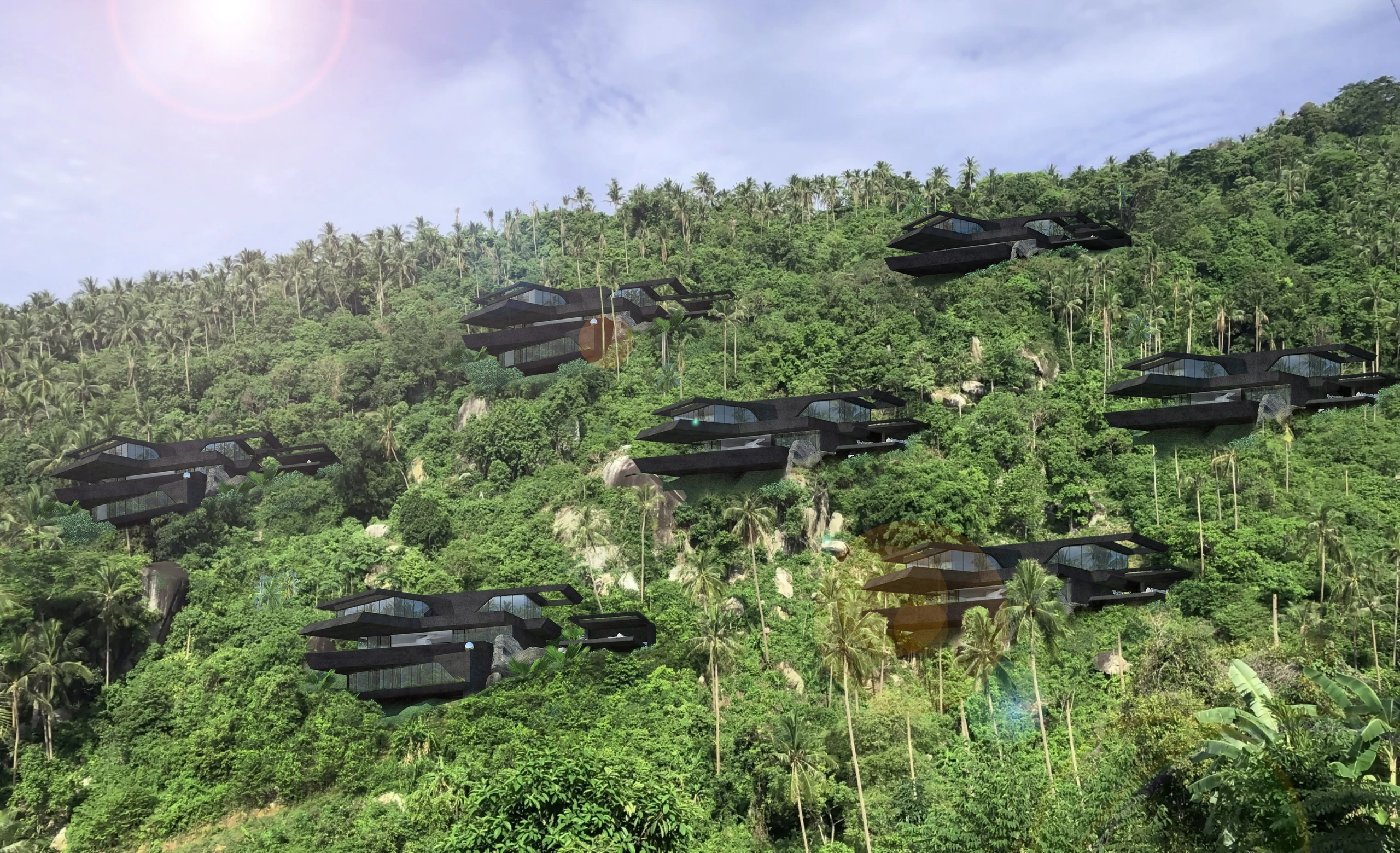
Why architecture and interiors should be one continuous thought
When shell, sequence, light, joinery and furniture are developed together, the result feels calmer and performs better.
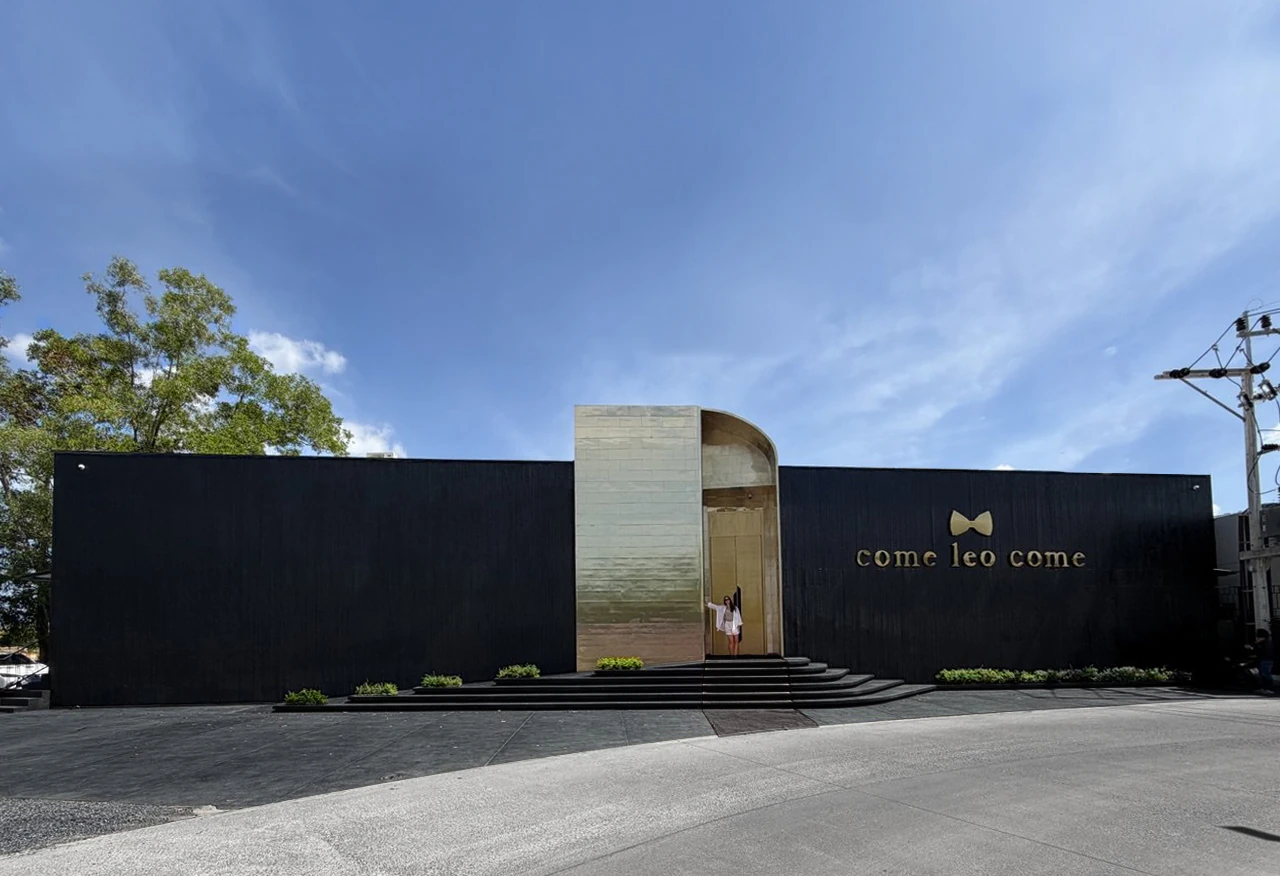
Procurement in Thailand without losing the design
A clear specification, local supplier knowledge and disciplined approvals turn a visual concept into a complete environment.
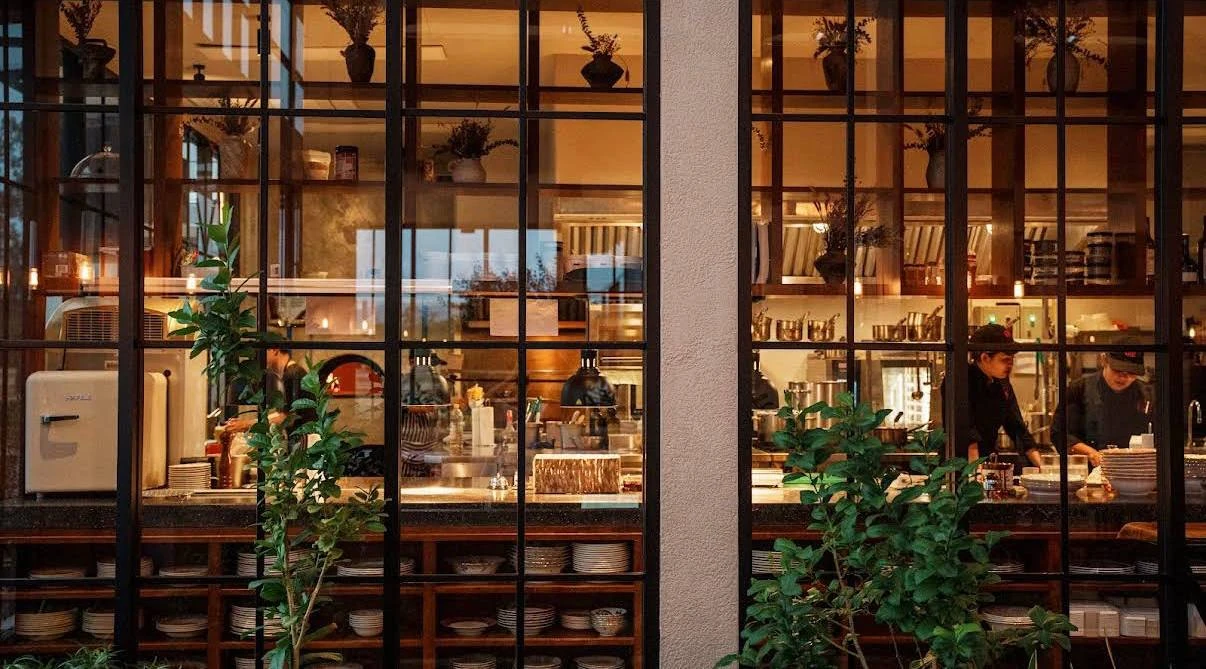
Design supervision: protecting the idea through a thousand decisions
The construction phase does not repeat the drawings. It tests them against material, workmanship, sequence and change.
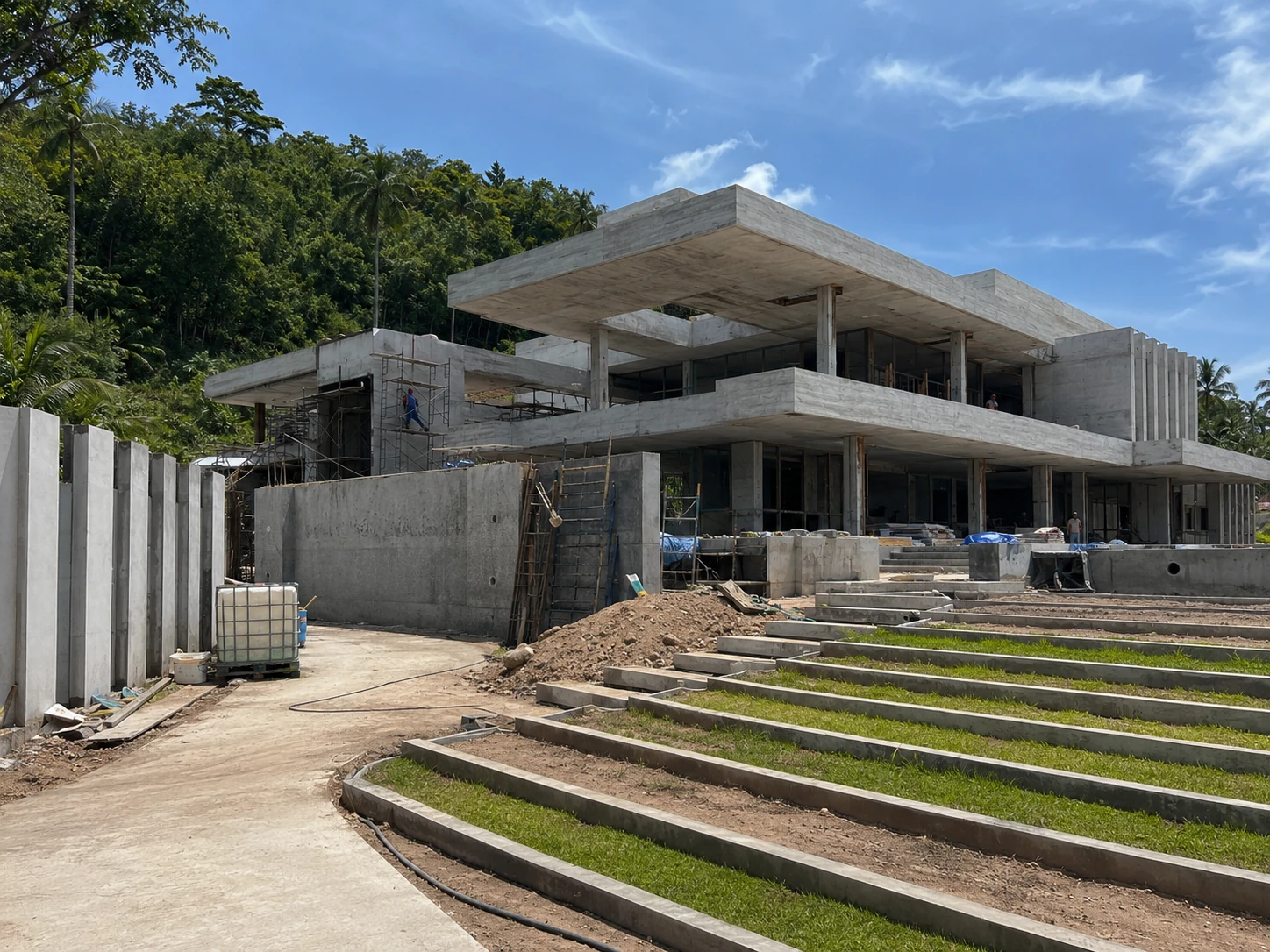
Before you buy land in Phuket or Koh Samui
An architect can reveal how access, slope, views, privacy and infrastructure affect a possible project—but cannot replace legal, statutory, geotechnical or financial due diligence.
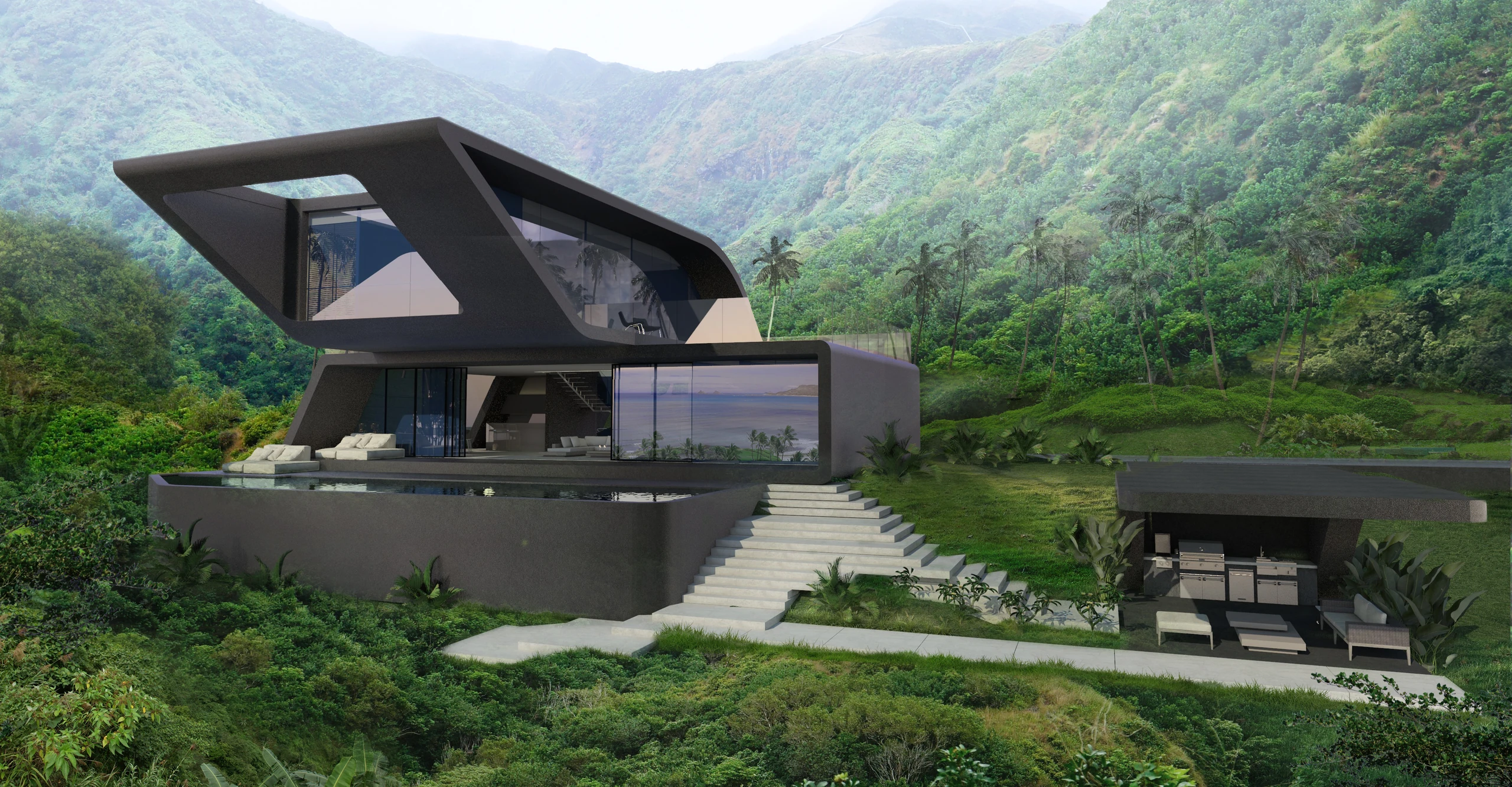
Concept design vs construction drawings
A concept establishes the spatial idea and major relationships. A coordinated technical package develops the information required for implementation; confusing the two creates false certainty.
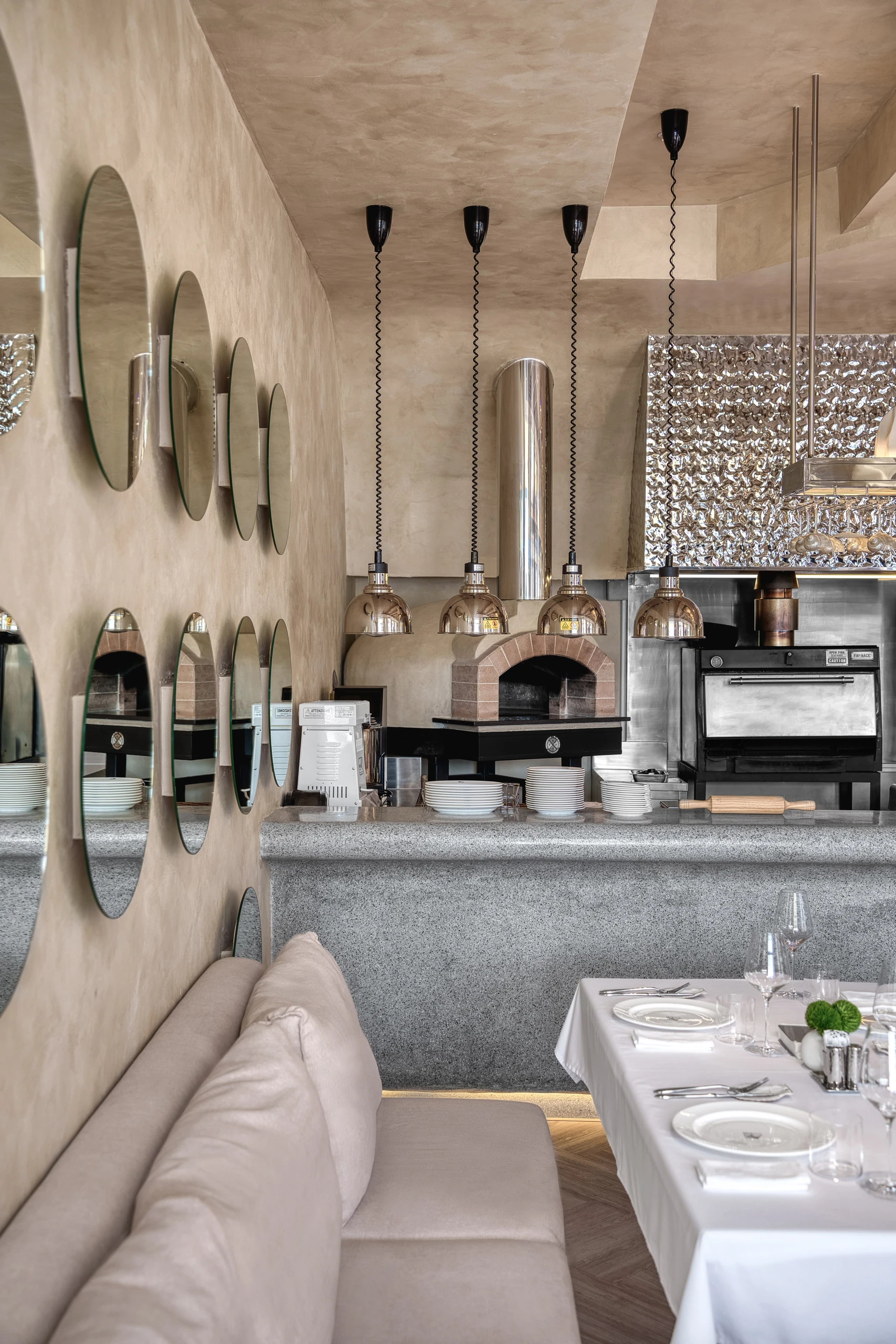
Designing a project in Thailand from abroad
Remote clients need fewer assumptions, clearer approval gates and a shared decision record—not a constant stream of disconnected messages.
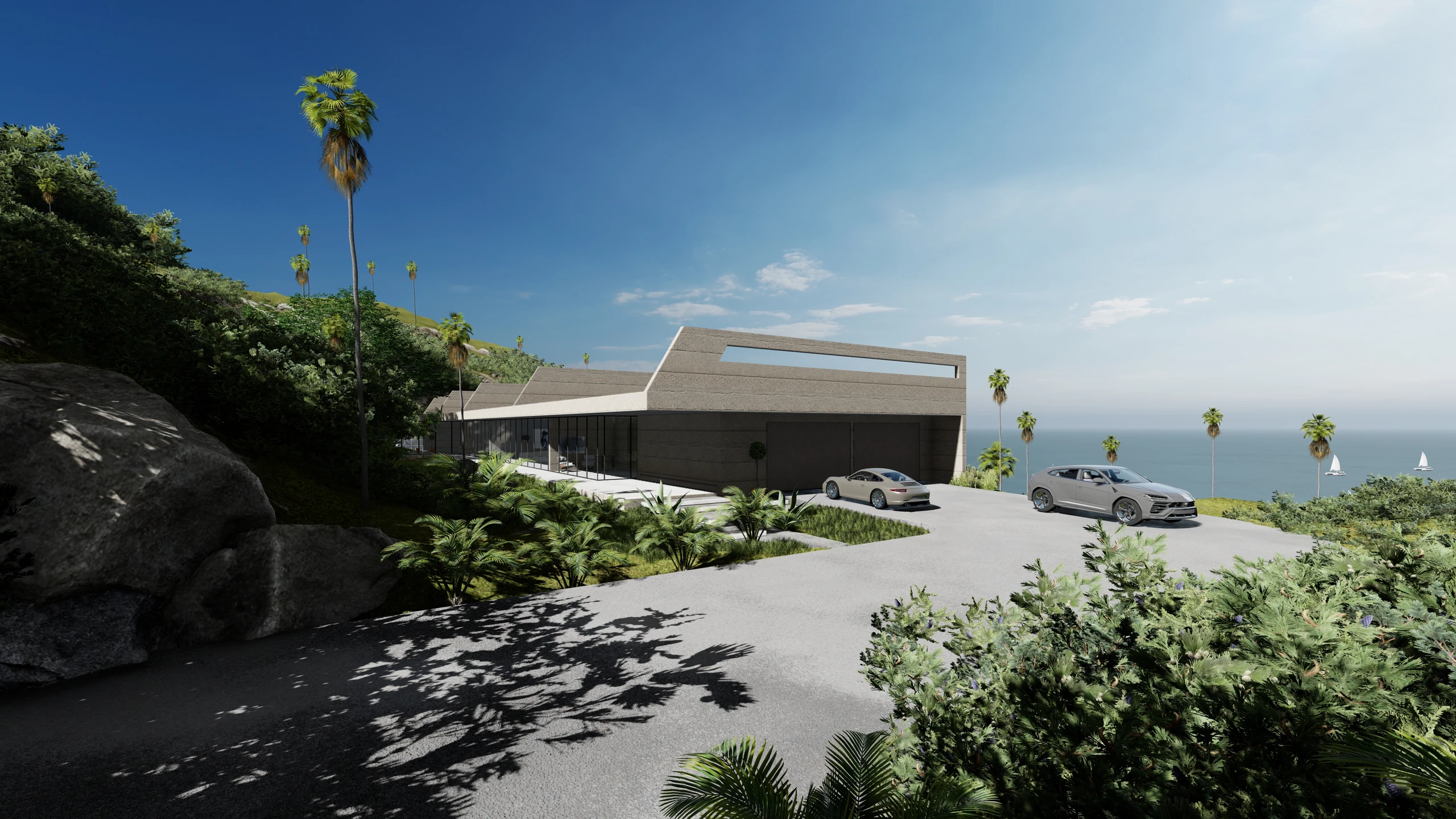
The decisions that become expensive when made late
In a villa project, the most costly late changes are often not decorative: they affect levels, structure, openings, services, waterproofing, procurement and the relationships between them.
Your site is more specific