Brief
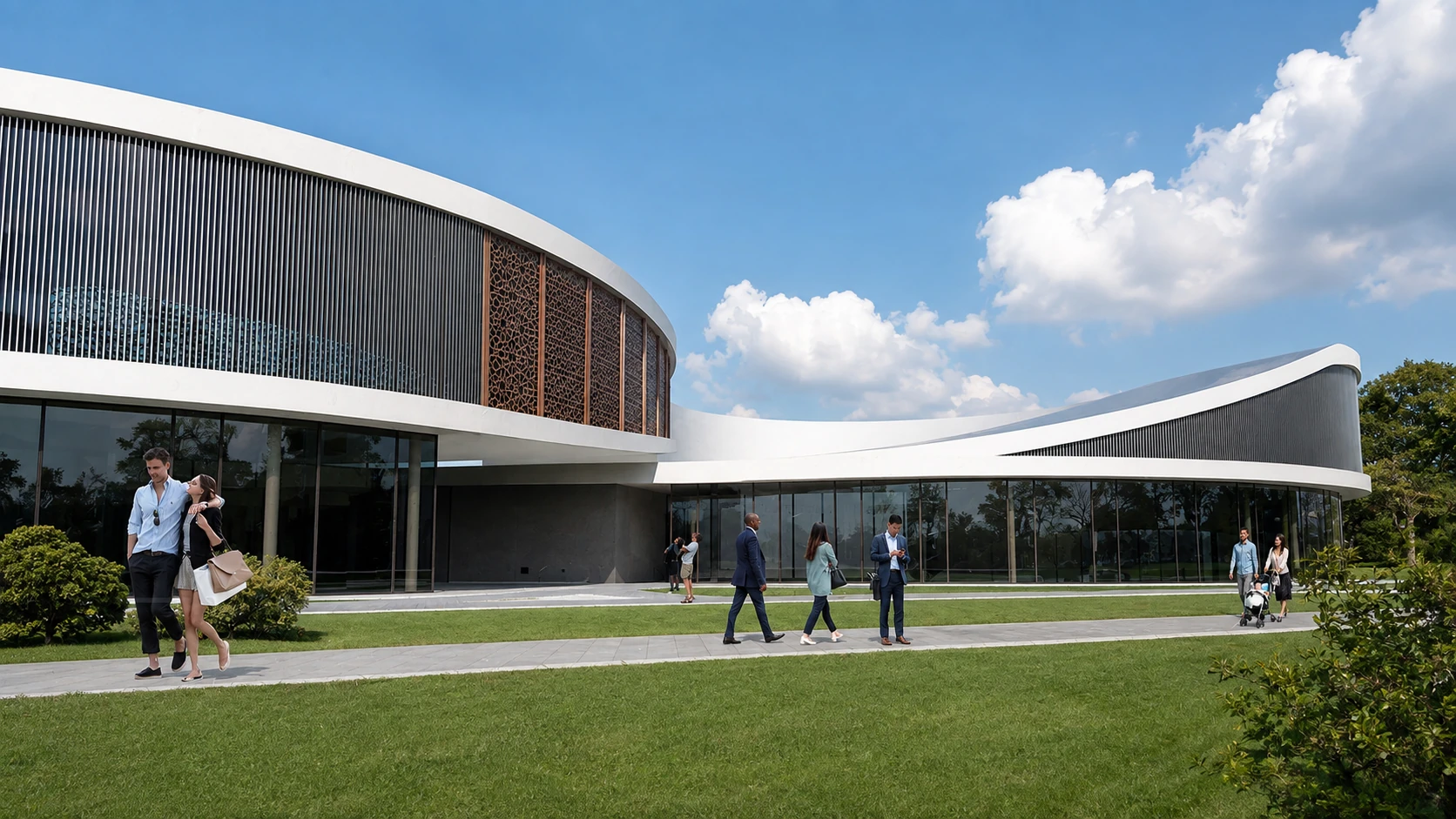
Purpose, audience, atmosphere, references, constraints and decision goals are clarified.

What it is
A concise concept can align an entire project before time and budget are committed to the wrong direction.
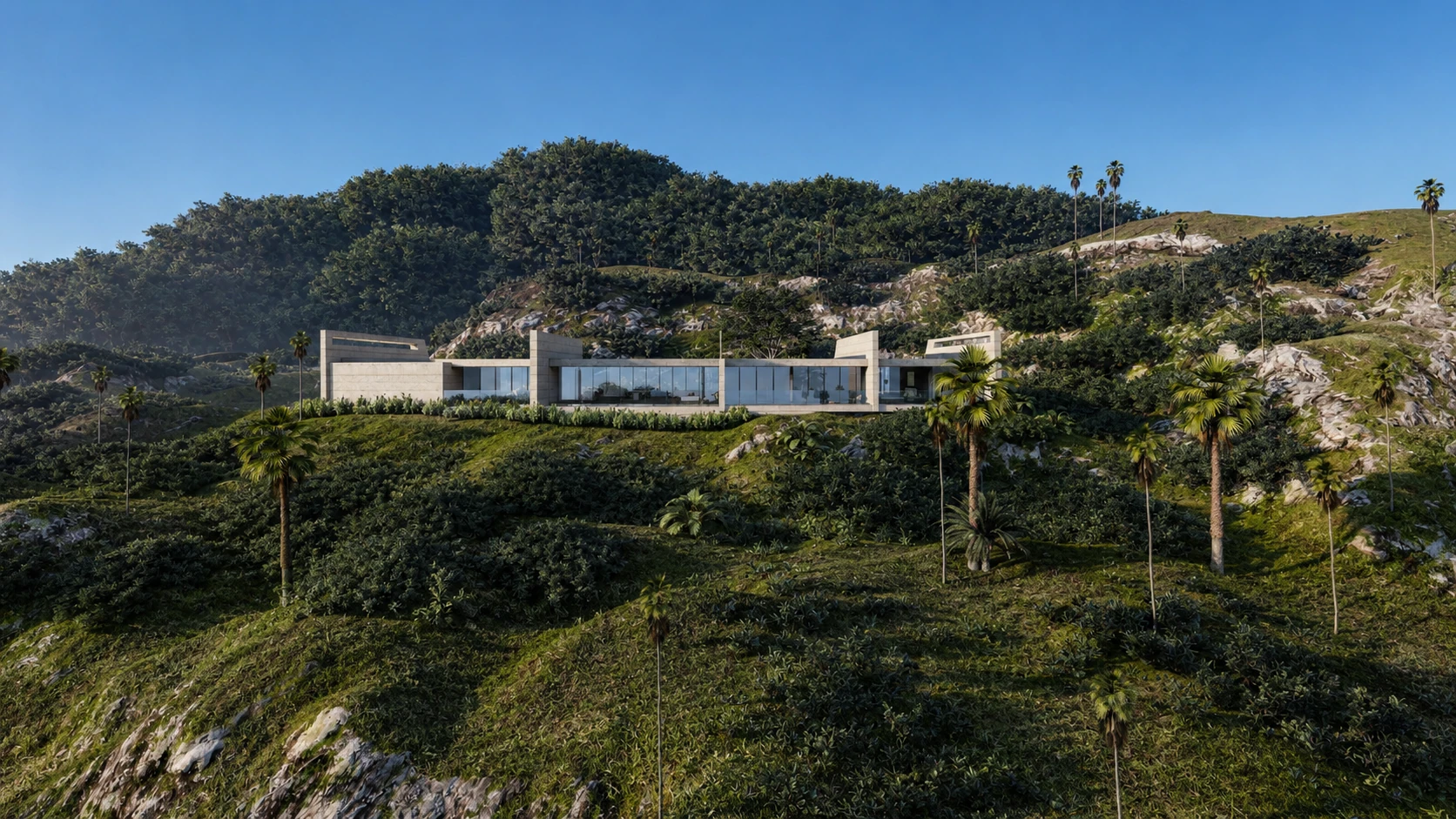
Focused concept packages that define atmosphere, palette, key materials and visual direction before the full design stage begins.
Best forClients testing a property, repositioning a venue or aligning stakeholders early.Client outcome
This package answers what the project should feel like and why. It does not pretend that references and atmosphere are construction information; later drawings, specifications, samples and procurement choices must still earn the concept in reality.
Purpose, audience, atmosphere, references, constraints and decision goals are clarified.
References are reduced to a precise visual vocabulary rather than a collage of unrelated preferences.
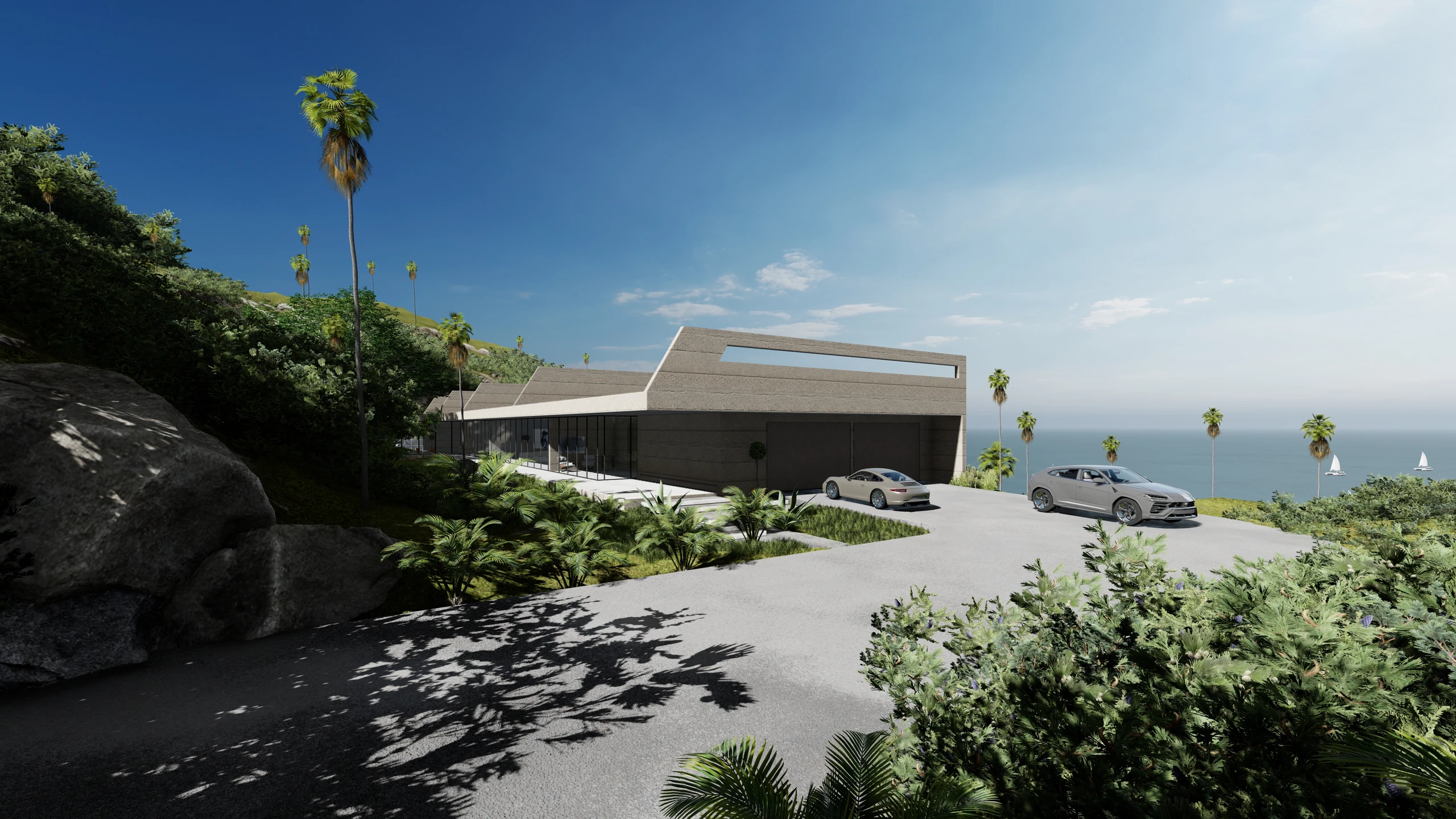
Palette, light, material, proportion and signature moments establish a coherent direction.
The concept is compared against use, context, brand and the likely next design stage.
Approved principles and open questions are recorded so the next stage begins from a clear baseline.
Scope
The package changes with the commission. Its purpose stays precise: turn ambition into decisions the client and project team can understand, test and carry forward.
We define what the project should feel like and why that direction is strategically right.
How we work
Each stage closes a particular question and opens the next one at the right level of detail. Explore the sequence to see what should become clear before the project moves forward.
Decision clarity
Emotional and visual position
Material and colour direction
Key spatial moments
Reference hierarchy
Next-stage scope and information gaps
Construction drawings
Confirmed product availability
Final pricing or procurement
Engineering, statutory or permit information
Questions before appointment
No. It establishes direction but does not replace coordinated drawings, specifications, approvals, samples or specialist information.
It may help explore an intended atmosphere, but property and land decisions still require appropriate due diligence and a separate site-based review.
Yes. The approved direction and recorded open questions can form the starting point for a separately agreed architecture or interior-design scope.
No. References communicate qualities and relationships; the project should develop its own coherent identity.
Connected reading
In practice
Next service · 05